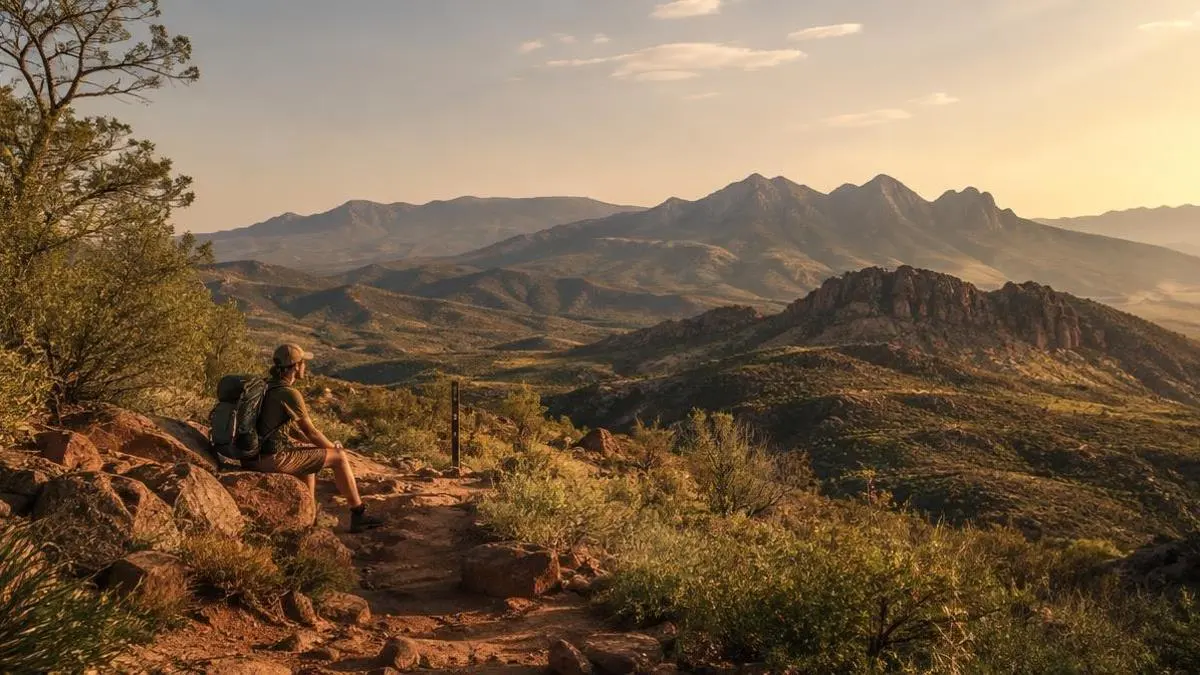
Understanding Responsible Shooting Traditions in Arizona
Responsible shooting in Arizona combines careful preparation, respect for other people and a lasting commitment to the desert landscape.
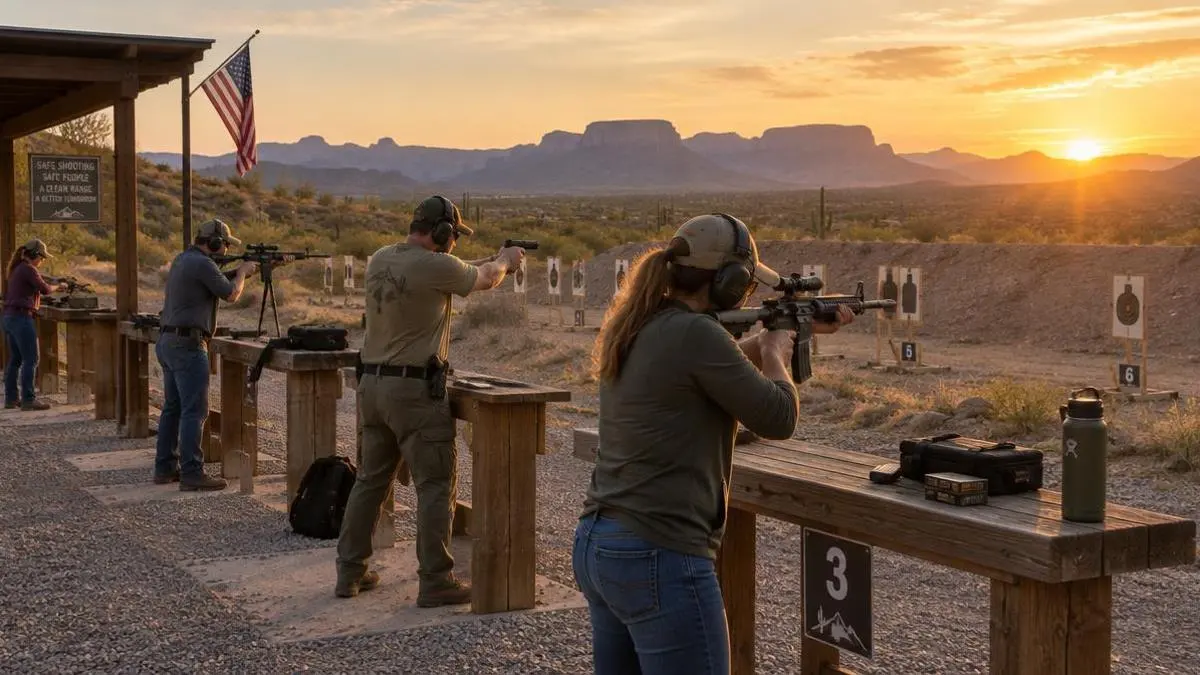
Arizona makes it easy to understand why preparation matters. A short drive can take you from town streets to high desert, with heat, wind, dust and limited phone service along the way. Responsible shooting begins before the vehicle leaves the driveway. It means checking the rules for the land, considering the weather and choosing a location where every shot can be made safely.
Plan the place before you plan the shot
Public land, private property and organized ranges each have different requirements. Confirm whether recreational shooting is allowed, learn any seasonal restrictions and identify a safe backstop. Never assume that an empty-looking patch of desert is automatically legal or safe. If the answer is unclear, choose a range or postpone the trip until you can verify it.
- Check land access, fire restrictions and current range rules
- Bring water, sun protection, eye and hearing protection and a first-aid kit
- Account for changing light, wind, terrain and the possibility of other visitors
- Pack out brass, targets, packaging and every other item you bring in
Respect makes a shared place safer
A considerate shooter watches for hikers, livestock, nearby homes and other users before setting up. Keep equipment contained, keep the muzzle controlled and pause when someone approaches. Good manners are not separate from safety; they are how safety works when several groups share the same landscape.
Leave the desert better than you found it
Arizona’s shooting tradition survives only when people protect the places that make it possible. Use reusable targets when practical, avoid damaging natural features and remove trash that may not be yours. Preparation, restraint and clean habits are the clearest signs of responsible shooting.
Preparation in desert country
Responsible shooting in Arizona starts with the environment. Heat changes how long people can stay focused, dust reaches equipment quickly and a summer storm can turn a dry road into a difficult exit. Carry water, sun protection, a charged phone and a clear map of the route. Tell someone when you expect to return. These steps are ordinary outdoor planning, but they are just as important as checking the firearm and ammunition before leaving home.
Respect for land and neighbors
A responsible shooter knows the boundary of the place they are visiting. Confirm that shooting is permitted, identify a safe backstop and keep away from roads, buildings, livestock and other people. Pack out brass, packaging and damaged targets. Do not shoot glass, appliances or anything that leaves a dangerous mess. Good behavior protects wildlife and public land, but it also protects future access for everyone who enjoys the outdoors.
A tradition with a future
Arizona’s shooting tradition is strongest when it is open about responsibility. Clubs can welcome new owners without encouraging shortcuts, experienced people can correct mistakes without humiliation, and families can treat range time as a lesson in judgment rather than bravado. The desert gives plenty of room for practice, but it does not forgive poor planning. Preparation, courtesy and a willingness to learn are what keep the tradition useful for the next generation.
Weather changes the plan
Arizona’s desert conditions deserve a place in every range plan. Heat can shorten attention spans, glare can hide a target edge and sudden wind can move dust across a firing line. Start early when practical, drink water before you feel thirsty and build in a reason to stop. A plan that includes shade, breaks and a reliable way home is more responsible than one built around squeezing in a few extra shots.
Know the rules before you arrive
Land-management rules, range hours and seasonal restrictions can change. Check the current source before loading the vehicle, and confirm whether the place allows the firearm, ammunition and target type you intend to use. Keep a printed note of the relevant address and contact information. Clear preparation avoids the temptation to improvise on land that belongs to everyone.
Make room for other users
A desert site may look empty while another group is out of sight behind a ridge. Park so roads remain open, announce your presence when appropriate and never assume a distant sound is harmless. If hikers, riders or wildlife enter the area, stop and wait. Responsible shooting includes recognizing that other people have the same right to enjoy a safe day outdoors.
Leave a better example
The strongest Arizona shooting traditions are visible in cleanup, calm communication and care for public land. Pack out every target and casing, report unsafe conditions and correct mistakes without turning the conversation into an argument. New shooters learn from what experienced people do after the last shot. A clean site and a respectful goodbye are part of the activity, not an optional extra.
A shared responsibility
Every safe outing contributes to the reputation of shooting in Arizona. Follow the rules even when a site feels remote, explain your choices to a new shooter and treat a question as a chance to improve the group. The desert is generous with space, but responsible access depends on people proving that they can use it with care.