The Pre-Trip Firearm Check That Keeps a Bisbee Hunt on Track
Essential Pre-Trip Firearm Inspection, for a Smooth Bisbee Hunt Getting ready for a hunt isn't about packing food and gear. You've got to make sure your firearm is in shape before you even leave home. A gun that's not checked…
Essential Pre-Trip Firearm Inspection, for a Smooth Bisbee Hunt
Getting ready for a hunt isn't about packing food and gear. You've got to make sure your firearm is in shape before you even leave home. A gun that's not checked properly can fail when you need it most-or worse cause problems before you even reach the mountains. So take time to do an inspection at home. Make sure no live rounds are in the gun and double-check the rules for where you're going and how you'll get
Conducting a Safe and Comprehensive Inspection
Find a spot with no distractions and no ammo nearby. Point the gun in a direction. Take out the magazine if it's removable. Open the action. Look inside. Check the chamber and any other places where a round could be loaded. Make sure everything is empty. If you have a magazine take it out. Check the magazine well too.
While you're checking, look for signs of wear. Is the scope loose? Are the sling swivels broken? Is there dirt or rust inside the gun? Test all the controls-safety, trigger, bolt whatever your gun uses. They should move smoothly without needing force. If something doesn't feel right don't try to fix it yourself. Look up your manual. Talk to a gunsmith. Better safe than sorry.
Don't skip the bore. If the gun has been sitting for a while. Got wet or dusty clean it. Follow the maker's instructions. Never use ammo to test the gun. Never shoot a gun you think might be blocked. That's dangerous.
Choosing the Right Case for Transportation
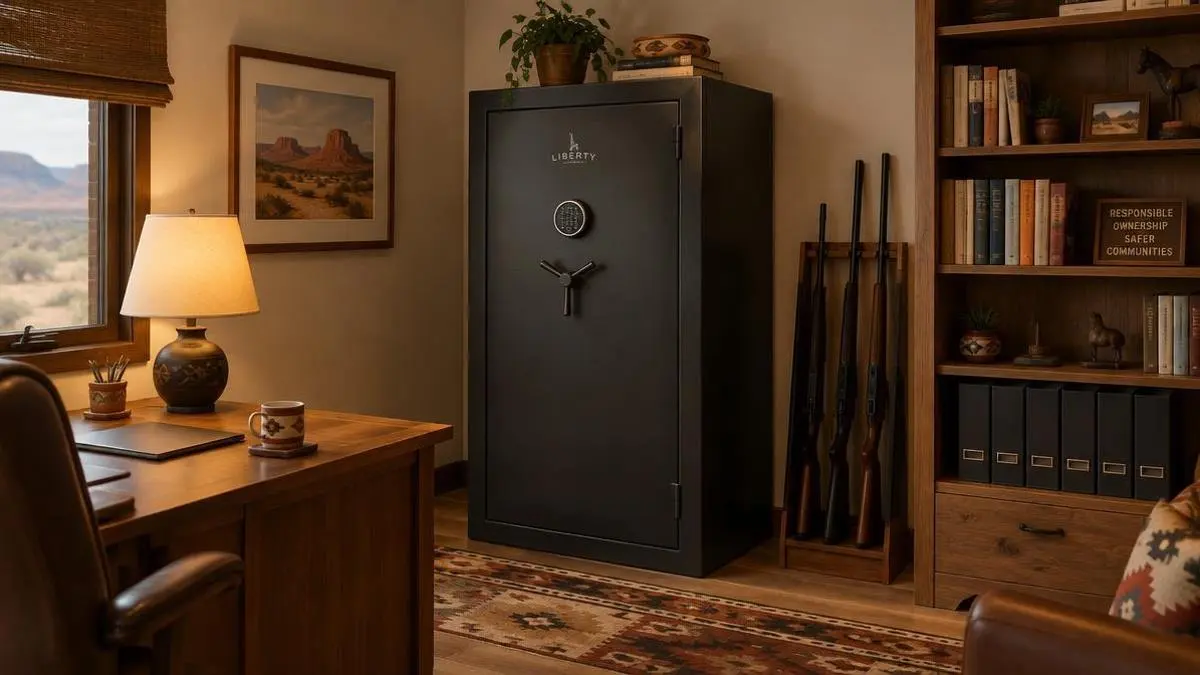
A case helps protect your gun. It's not enough to just toss it in and go. Check the hinges, zippers, foam and latches. Are they tight? Are they dirty? A flimsy case could let your gun shift around on roads. That's risky.
When you pack make sure the gun can't accidentally load. Keep ammo in a container. Don't leave rounds in your bag or pockets. If you bring a magazine make sure it's empty unless the law says otherwise. Don't just assume you're doing it right.
Laws change from state to state and even from county to county. Always check the rules for every place you'll drive through. Friends or store clerks might help,. They're not always right. Use government websites or hunting authorities for answers. If you're not sure wait until you know for sure. Better to delay than to risk trouble.
Final Preparations Before Hitting the Road
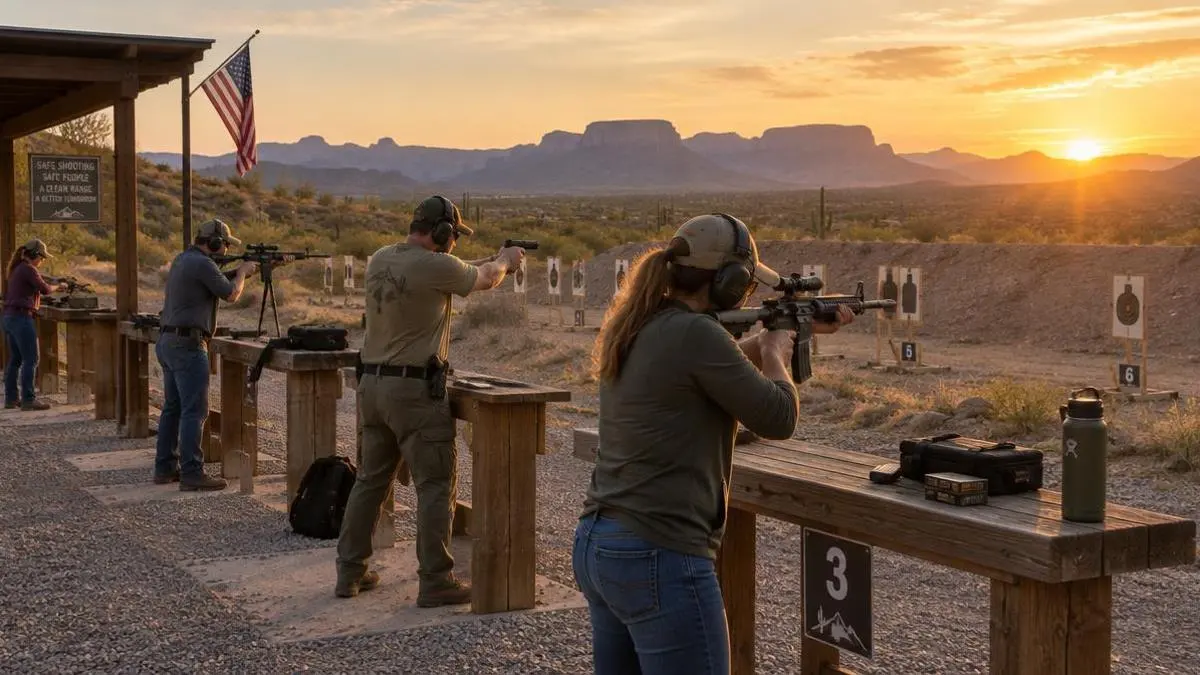
A smooth hunt starts with prep. Finding out your gear is broken at the hunting spot is no fun. If you got a gun or new part go to a range before you leave. Use the gear you'll take on the hunt. Learn the range's rules. Be respectful.
At the range do the check you did at home. Make sure the gun is unloaded. Use the ammo you plan to use. Take your time. Check the sights, the trigger, everything. If it doesn't work right or feels unsafe fix it before you go.
Change one thing at a time. If you're testing a scope or stock don't also try an ammo type. That makes it hard to know what's causing issues. Write down what you change and how it feels. Give yourself time to test it. There's no reason to rush. Safety comes first.
Preparing for the Elements
Hunting in places like Bisbee can be tough. Don't let the excitement make you forget the basics. Bring plenty of water. Wear layers for temperature changes. Stay aware of your surroundings. Tell someone you trust where you're going. When you'll be back. Always follow the rules for hunting seasons and land access. They can change without warning.
Keep the action closed when you're not using the gun. Use covers during transport. Don't leave it on ground or rocks. That could damage it. Cause accidents. Don't use oils or cleaners. They can leave grit. Cause rust inside the barrel.
If your gun gets dropped or hit something stop using it. Unload it. Get it checked. It's okay to delay your hunt. Better to wait than to have it break in the field.
Final Departure Checklist
Before you drive out run through this list:
– Firearm inspected and unloaded, with the action open during prep.
– Bore and chamber. Cleared per manufacturer's guide.
– Case and all parts checked for damage or wear.
– Ammo counted and stored in a container.
– Transportation and land-use rules confirmed with official sources.
– Water, navigation tools, radio, first-aid kit and weather gear packed.
– Route and schedule shared with a trusted person.
– Any mechanical issues fixed by a professional before leaving.
Being careful isn't, about making things harder. It's about making sure your trip is safe, smooth and enjoyable. A little effort before you go can save a lot of stress later. You'll be more relaxed and ready to focus on the hunt not on fixing problems.