How to Evaluate Firearm Fit, Controls and Intended Use: How to Set Priorities
A firearm should be judged by how well it suits its user and its job-not by its brand, appearance, or sheer power. A model that looks impressive can still be awkward to carry, difficult to operate, or poorly matched to…
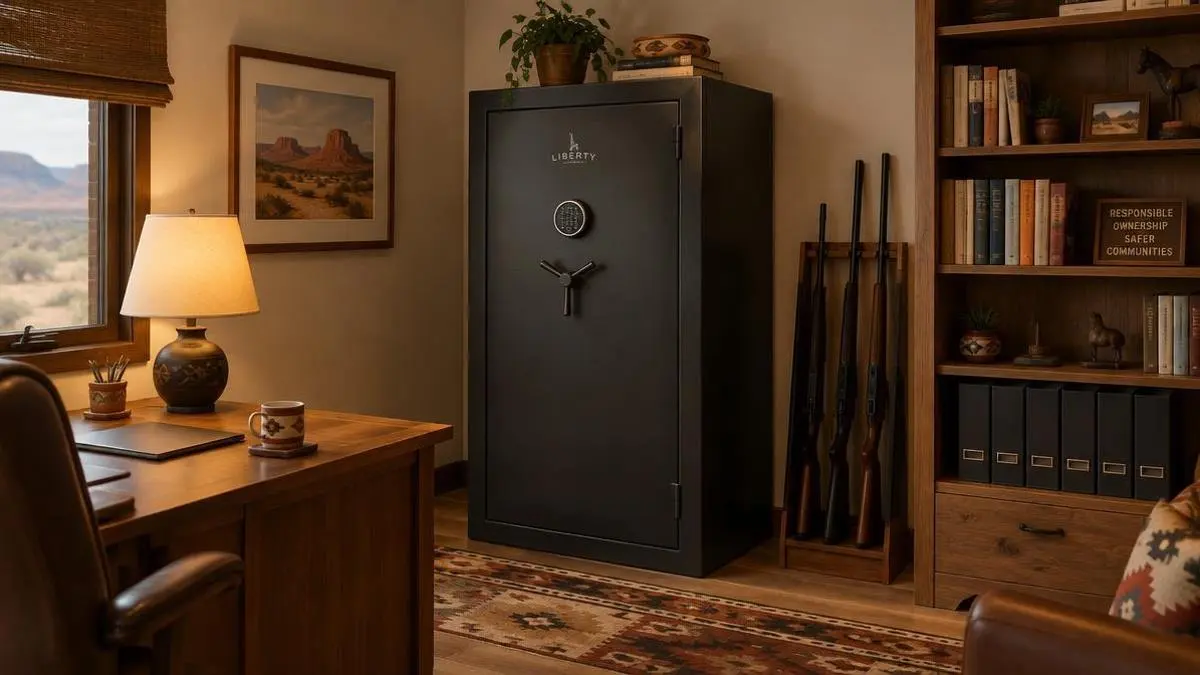
A firearm should be judged by how well it suits its user and its job-not by its brand, appearance, or sheer power. A model that looks impressive can still be awkward to carry, difficult to operate, or poorly matched to the conditions in which it will be used. Fit, controls, intended purpose, and mechanical condition deserve attention before accessories and styling. A few deliberate checks can expose a problem early enough to stop a purchase or postpone a range session.
Define the job before comparing models
Start with the activity, not the catalog. Equipment for occasional target practice may be a poor choice for long walks over uneven ground. A hunting setup that feels manageable for a few minutes in a shop can become tiring after several hours outside. The first question is therefore practical: what lawful task is the firearm expected to perform?
The answer might involve target practice, lawful hunting, instruction, home storage, or another specific use. Then add the circumstances. Will it be carried frequently or used mainly from a bench? Will the user wear a heavy jacket? Could several people have access to it during storage? What experience level will the person handling it actually have?
Those details affect the right choice. A suitable firearm should allow safe, repeatable handling without awkward workarounds. If the user has to fight the equipment in order to carry, mount, load, or operate it, the basic platform deserves reconsideration before any accessory is added.
For a hunting rifle, the evaluation should include the lawful game, terrain, expected distances, and the shooter's ability to handle the firearm responsibly. Cartridge choice, optics, and other equipment matter, but they should follow a sound decision about the rifle itself. Hunting seasons, transportation rules, and other requirements may change, so current information should come from appropriate official wildlife and government sources.
Use fit to test control, not just comfort
Fit is often described as a comfort issue, but it also affects consistency and safe handling. A stock that is too long can make a stable mount difficult. Poor cheek contact may encourage an unstable or hurried position. If the user must stretch, hunch, shift the grip, or place a finger in an unnatural position, that is useful evidence-not something to dismiss because the firearm looks attractive.
With the firearm unloaded and pointed in a safe direction, consider whether the shoulder contact feels stable and whether the sighting position can be found without excessive head movement. Controls should be reachable while the user maintains a secure grip. The trigger finger should remain outside the trigger guard until the sights are on a safe target area and the decision to fire has been made.
Clothing can change the result. A stock that feels acceptable in a light shirt may become cramped under a coat, especially when the firearm is shouldered repeatedly. Try to evaluate the equipment in conditions that resemble its intended use, while following safe handling procedures.
Do not force a new technique or casually modify the firearm to compensate for a poor fit. If the user cannot operate it comfortably and consistently, stop and ask a qualified professional about appropriate options. A firearm that requires constant repositioning is not made suitable by enthusiasm or familiarity.
Learn the controls before appearance wins
Controls should be easy to identify, reachable, and positive in operation. Before handling any firearm, confirm that it is unloaded according to the manufacturer's instructions and keep the muzzle pointed in a safe direction. Familiarity with another model is not enough: safety mechanisms, magazine releases, action releases, and loading procedures differ.
Read the manual. A prospective owner should be able to identify the safety or selector, action or bolt release, magazine release, and chamber status without guessing. Controls should not feel loose, bind, move unexpectedly, or demand excessive force. A layout that seems merely inconvenient can become a handling problem if it causes hesitation or rushed movements.
Live ammunition has no place in a fit or control check. Dry practice may be appropriate only when the manufacturer specifically permits it and the exercise takes place in a properly controlled setting. The firearm must be verified unloaded, and the correct procedure must be followed. If the manual is unclear, obtain instruction from a qualified firearms instructor instead of improvising.
This is also where attractive extras should be questioned. An accessory is worthwhile only when it addresses a real need and does not block a control, interfere with a safe grip, or introduce another handling risk.
Treat condition changes as warning signs
Mechanical problems do not always announce themselves dramatically. A stiff action, unusual resistance, a loose sight, damaged or missing parts, inconsistent ejection, a cracked stock, or a new mark may be the first indication that something needs attention. Rust, pitting, swelling, broken springs, and unexplained changes in sound or operation should not be explained away as routine wear.
Cleaning is not a universal remedy. Before a range session, inspect the firearm in good light and compare what you see with the maintenance guidance in the manual. Confirm that the bore is clear, sights or optics are secure, fasteners appear seated, and controls operate as intended without force. Use only ammunition specified by the manufacturer, and check it for damage or an incorrect designation before taking it to the firing line.
Some symptoms require an immediate stop. These include a failure to fire, unusual recoil, a shot that does not sound or feel normal, or an action that fails to cycle as expected. Keep the muzzle pointed in a safe direction, keep hands away from the muzzle, and follow the manufacturer's instructions for a suspected malfunction. Do not fire another round as a test and do not attempt an improvised repair. When the cause is uncertain, have a qualified gunsmith or another appropriate professional examine the firearm.
Run a practical ownership check
A short checklist helps keep an appealing purchase from becoming an impractical one:
– Purpose: Can I describe the lawful activity and the real conditions in which the firearm will be used?
– Fit: Can the intended user hold, mount, and control it without strain or awkward repositioning?
– Controls: Can the safety, action, and magazine controls be identified and operated as the manual describes?
– Condition: Are there signs of damage, corrosion, looseness, or unexplained wear that call for professional inspection?
– Training: Does the user have the knowledge and supervised practice needed for safe handling?
– Storage and transport: Can the firearm be secured and transported in accordance with current local requirements?
This is a screening tool, not a replacement for instruction or a proper inspection. It also makes the broader ownership system visible. Safe storage, suitable ammunition, eye and ear protection, maintenance supplies, training, and a plan for conduct at the range all belong in the decision.
Let safety settle the tradeoffs
Sometimes purpose, fit, controls, and condition will not point to the same option. When that happens, reliable control and safe handling should outweigh styling, extra features, or raw power. A firearm that is hard to hold, understand, or maintain is a poor choice, even if its appearance is compelling.
Priorities should remain practical after the purchase. Recheck the firearm's condition after use, follow the manufacturer's maintenance schedule, store it securely, and stay current on applicable laws and range rules. Requirements can change, so current official sources are more dependable than old advice or assumptions based on another model.
For a Bisbee outdoor adventure, preparation is more valuable than rushing toward a purchase. A careful evaluation makes the reason for each choice clear-and makes it easier to recognize when a firearm, accessory, or maintenance concern should be set aside until qualified guidance is available.