Care and Maintenance: Keeping a Firearm in Top Condition
A simple maintenance routine improves reliability, reveals problems early and keeps a firearm ready for the next responsible outing.
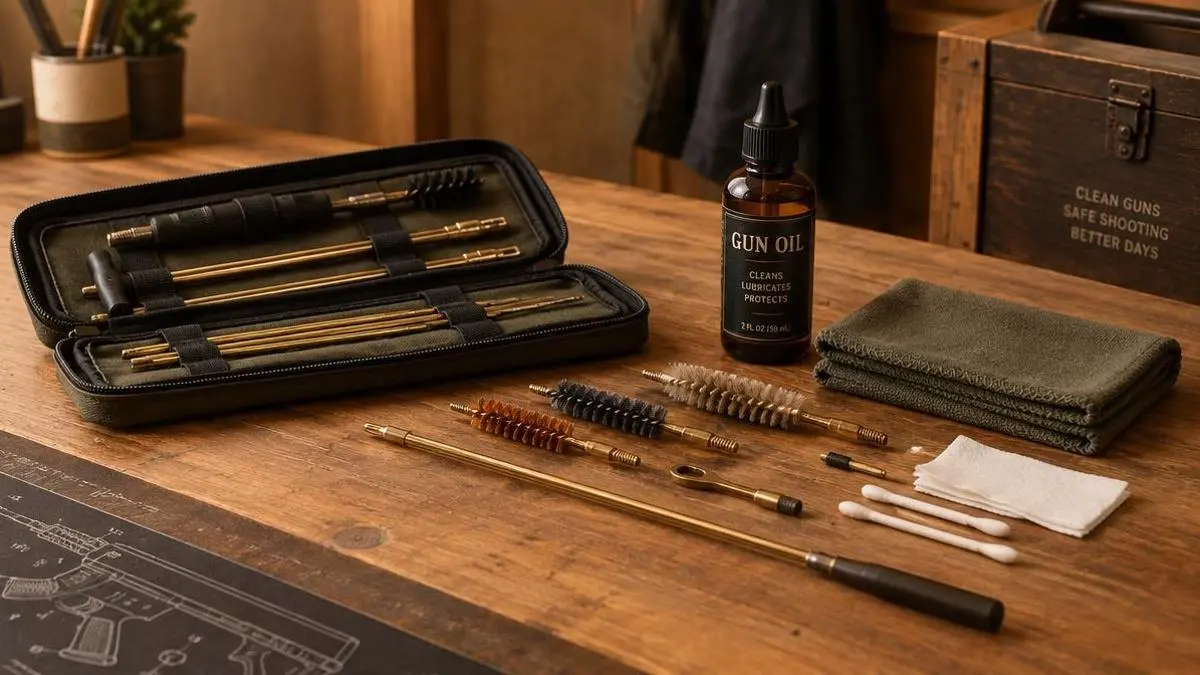
Firearm maintenance is less about polishing and more about paying attention. Dust, fouling, moisture and a loose fastener can all become a larger problem when they are ignored. A short, consistent routine after an outing gives you a chance to clean the working parts, check the condition of the equipment and notice anything that needs qualified service.
Begin with a safe work area
Unload the firearm according to its instructions and verify the condition before cleaning. Keep ammunition away from the work surface, use adequate light and protect the table from solvents. If a step in the manual is unclear, stop and ask a qualified gunsmith rather than forcing a part or copying an improvised shortcut.
A practical routine
- Make sure the firearm is unloaded before you begin
- Remove visible fouling with the tools and solvent recommended for the model
- Inspect the bore, chamber, action and fasteners for damage or unusual wear
- Apply only a thin layer of lubricant to the surfaces specified by the manufacturer
- Wipe the exterior dry and remove fingerprints or moisture before storage
More lubricant is not better. Excess oil can collect dust, migrate into places it should not be and make the next session messy. Clean patches, the correct brush and a small amount of the right product are usually enough for routine care.
Know when to stop
A cracked part, damaged spring, excessive play or a problem you cannot identify is a reason to stop using the firearm and seek professional help. Maintenance is successful when it leaves the equipment safe and predictable, not when every part has been disassembled.
Care is a small investment that keeps reliability from becoming a surprise.
Inspect before you clean
Maintenance starts with observation. Unload the firearm, confirm the chamber and magazine are clear, and work in a well-lit place without ammunition on the table. Look for unusual wear, a loose screw, a damaged spring, a crack or a part that does not move as it should. If something is unfamiliar, stop and consult the manual or a qualified gunsmith. Cleaning is not a race and disassembly is not automatically maintenance.
Use the right amount of product
Solvent, patches and lubricant work best when they are matched to the model and used sparingly. Excess oil attracts dust, can migrate into the wrong place and may contaminate ammunition. Follow the manufacturer’s instructions for the bore, action and exterior surfaces. Wipe the firearm dry before storage and keep cleaning tools separate from ammunition. A small, repeatable kit is easier to use correctly than a drawer full of products you do not recognize.
Keep useful records
A maintenance note can be as simple as a date, round count, ammunition type and observation. Record when the firearm was cleaned, when a part was replaced and any symptom that deserves follow-up. These notes help identify a pattern before reliability becomes a surprise. They also give a gunsmith useful information if professional service is needed. Good records turn routine care into a conversation with the equipment rather than a last-minute reaction.
A clean work area is a safety tool
Choose a stable bench with good light and enough room for the firearm, manual and a small set of tools. Keep ammunition in another area. Unload first, confirm the condition twice and place small parts where they cannot roll away. This setup makes it easier to concentrate on the firearm and easier to stop if a step does not make sense.
Know what not to change
Routine care is different from gunsmithing. Do not polish feed surfaces, alter springs or reshape parts because an online comment suggests an improvement. Modifications can affect safety, reliability and warranty coverage. When a problem repeats, document the symptom and consult a qualified professional. Protecting the original design is often the most responsible maintenance choice.
Storage conditions count
Dust, humidity and temperature changes affect equipment even when it is not being fired. Use a suitable case or safe, avoid trapping moisture and inspect the firearm after travel through rain or extreme heat. Follow the manufacturer’s guidance for protective products. A few minutes of inspection after an outing can prevent a problem that would otherwise appear at the next range visit.
Maintenance creates familiarity
The quiet time spent cleaning can reveal how a firearm fits together and what normal movement feels like. That familiarity helps a shooter notice an unusual sound or resistance later. Work slowly, follow the manual and stop before forcing anything. Good maintenance is not cosmetic; it is a practical extension of safe handling and responsible ownership.
A routine worth keeping
Maintenance becomes easier when it is attached to a familiar moment: after a range trip, before long storage and whenever a firearm has travelled through dust or rain. Keep the steps simple, record anything unusual and stop when a repair is beyond your knowledge. Consistency protects reliability and makes professional service more effective when it is needed.