Safety First: Rules for Storing Firearms at Home
Thoughtful storage protects family, guests and the firearm itself. The right system is secure, consistent and easy to follow every day.
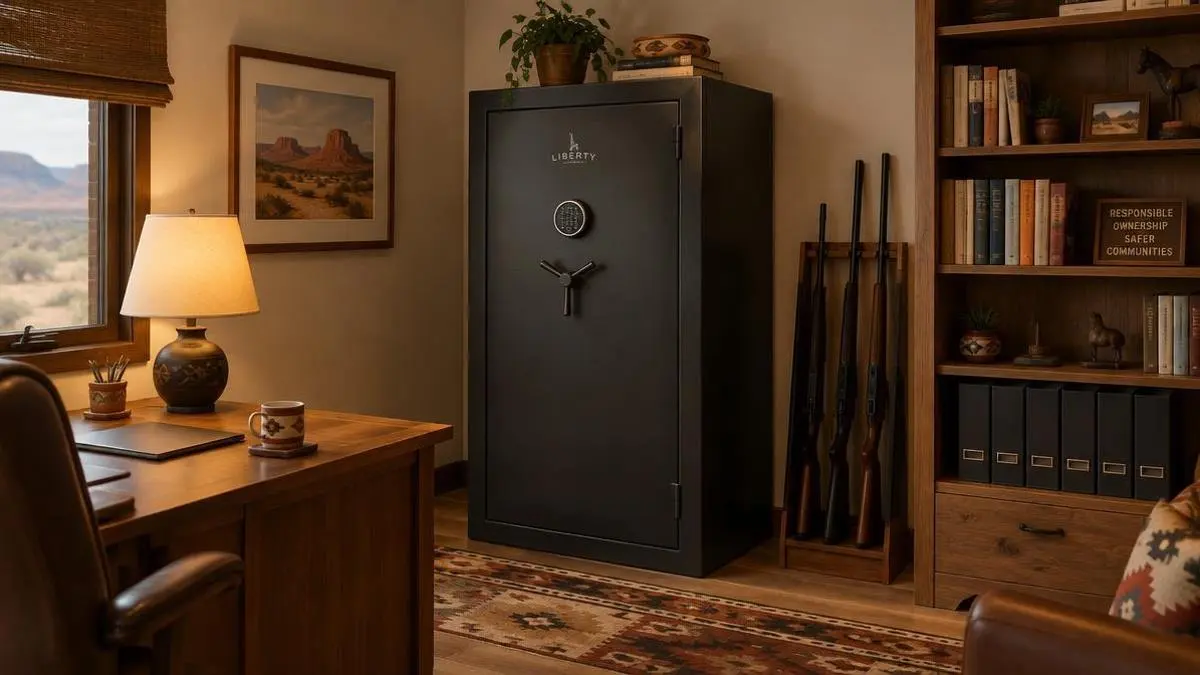
Safe storage is the part of firearm ownership that happens when nobody is watching. A firearm at home should be secured before guests arrive, before children can encounter it and before a busy day creates an opportunity for a mistake. The best system is not complicated; it is locked, consistent and understood by everyone who is allowed to access it.
Start with access control
Store firearms unloaded in a locked safe, cabinet or other secure container appropriate to the household. Keep keys, combinations and backup access under the owner’s control. Do not leave a key in a drawer or share a code casually. If the household changes, update access immediately rather than relying on an old arrangement.
- Store firearms unloaded unless a lawful, carefully assessed need requires another arrangement
- Keep ammunition secured separately where appropriate and required
- Use a lock or safe that children and visitors cannot defeat
- Keep keys, codes and backup access private
- Check the storage system after travel, cleaning or a change in household routine
Make the safe habit automatic
Choose one place for the safe and one sequence for putting equipment away. A routine reduces the chance that a firearm is temporarily left on a table, in a vehicle or in an unlocked case. Explain the household rule in plain language: only the authorized owner handles the firearm, and curiosity is never a reason to touch it.
Review the system over time
Storage needs change as children grow, guests stay over or a new firearm enters the home. Recheck the container, the access list and the condition of locks at least once a year. Secure storage is not a one-time purchase; it is an ongoing expression of care.
Secure storage is a sign of respect for your loved ones and for the firearm itself.
Design storage around real life
The safest storage plan is the one that survives a busy morning, a visiting relative and a change in routine. Choose a locked container that is appropriate for the firearms in the home, anchor it when needed and keep keys or codes under the owner’s control. Do not rely on a hidden drawer or an unlocked case. If a child, guest or contractor might enter the room, secure the firearm before they arrive.
Separate access from curiosity
Adults should agree that only an authorized person handles a firearm. Children need a clear rule that curiosity is never a reason to touch it; if they see one, they should move away and tell an adult. Review the rule calmly and repeat it as children grow. Visitors do not need a code or a key. A good storage system makes the safe choice the easy choice, even when the owner is tired or distracted.
Review the system every year
Storage is not finished when the safe is installed. Check the lock, hinges, batteries and anchoring, and make sure backup access is still private. Reconsider the arrangement after a move, a new firearm, a household change or a period of travel. Keep ammunition secured appropriately and inspect cases for moisture or damage. Regular review takes only a few minutes, but it prevents a temporary compromise from becoming a permanent habit.
A layered approach works best
Secure storage is strongest when several ordinary protections support one another. Use a locked container, control the keys or code, store ammunition appropriately and keep a consistent rule about who may handle the firearm. If one layer is temporarily unavailable, another still reduces risk. The goal is not a dramatic setup; it is a dependable system that works every day.
Plan for visitors and travel
Before guests arrive, confirm that cases are locked and access information is private. During travel, use a secure case and follow the rules that apply to the destination. Do not leave a firearm visible in a vehicle or unattended in a temporary room. Thinking through these moments ahead of time prevents rushed decisions when schedules change.
Teach without creating fear
Children and visitors deserve a clear, calm explanation of the household rule: do not touch a firearm and tell an adult. Age-appropriate education can include what to do if they encounter one elsewhere. The message should be repeated without turning the firearm into a forbidden mystery. Calm, consistent instruction supports both respect and safety.
Review after life changes
Moving, welcoming a new family member, changing jobs or buying another firearm can expose gaps in a storage plan. Recheck the container, access list, emergency contact and room layout after any major change. Annual review is useful even when nothing dramatic has happened. A secure system should evolve with the household rather than remain fixed in an old routine.
Security is an everyday habit
A locked container is important, but the deeper protection comes from a household that treats access as a responsibility. Keep the rule clear, review it without drama and update the plan whenever life changes. When secure storage is ordinary rather than exceptional, everyone knows what to do and the safest choice remains available even on a difficult day.