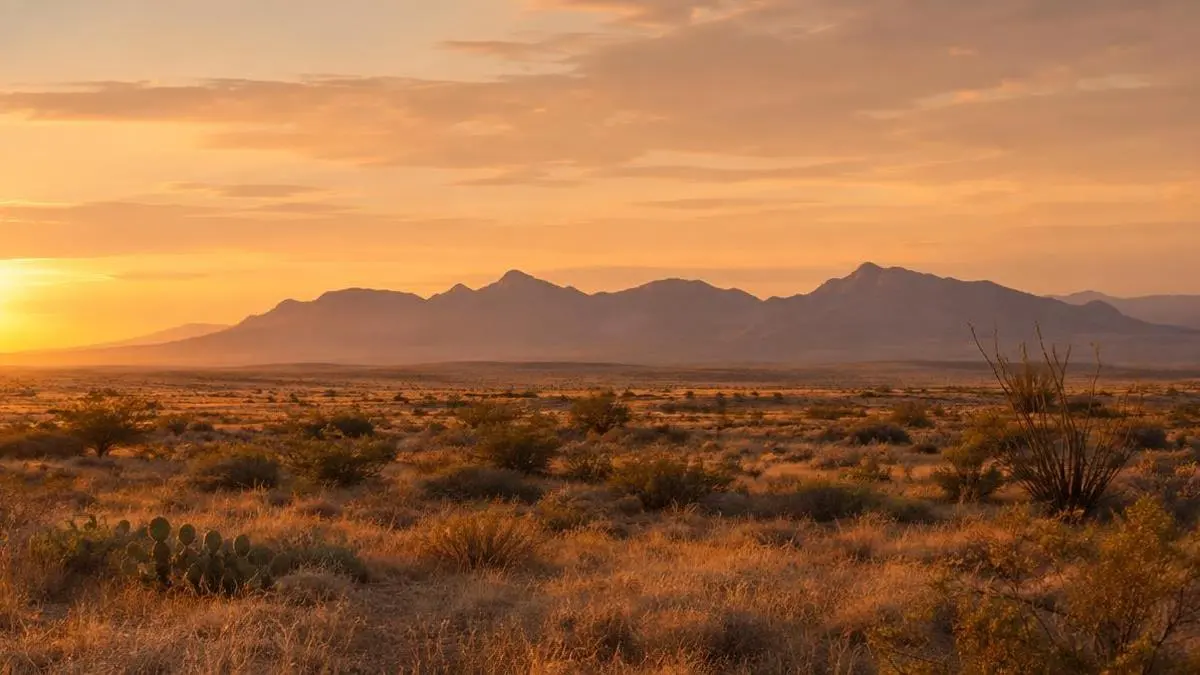
Hunting in the Outdoors of the Mule Mountains
Ethical hunting near Bisbee begins with knowledge of the season, a clear target and respect for the mountains that support the community.
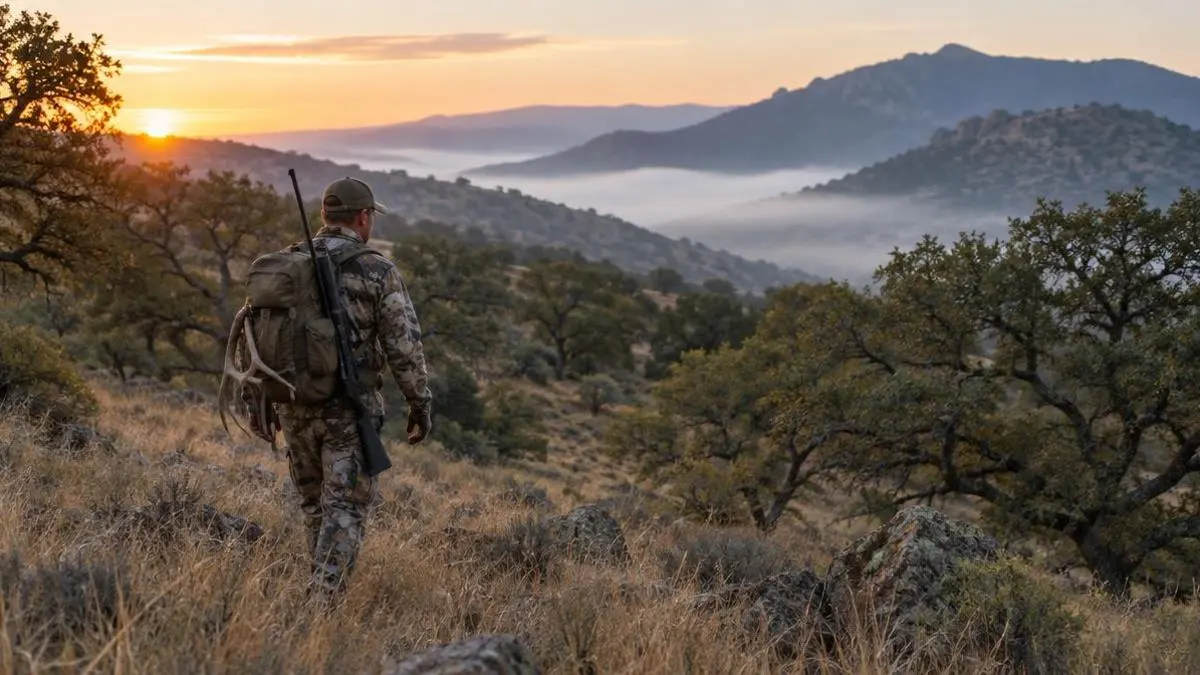
The Mule Mountains rise close enough to Bisbee that a hunter can watch the town disappear behind a ridge within minutes. That closeness is part of the appeal, but it also demands care. Roads, homes, hikers, livestock and other hunters can occupy the same landscape. A safe hunt begins with knowing the area and ends with leaving it treated respectfully.
Know the season and the ground
Before heading out, review the current Arizona regulations, tag requirements, legal shooting hours and boundaries. Study a map rather than relying on memory. Identify private parcels, access roads and likely travel routes for other people. If the boundary is uncertain, stop and resolve it before loading equipment.
A clear decision matters more than a quick shot
Ethical hunting requires positive identification of the target and a safe backstop. Do not shoot at movement, sound or a partially hidden animal. Keep the muzzle controlled while moving, maintain a respectful distance from other parties and communicate clearly with anyone in your group.
- Carry the required license, tag, identification and safety equipment
- Keep your distance and never shoot without full certainty
- Plan field dressing, cooling and transport before the hunt begins
- Pack out food wrappers, damaged gear and every piece of unused material
A good hunt is measured by respect, not only by the trophy.
The mountains give hunters a quiet place to practice patience. Protecting that quiet is part of the responsibility. When the trip is planned carefully and the land is left undisturbed, hunting remains a meaningful part of life around Bisbee.
Know the country and the season
The Mule Mountains can change character quickly. Before a hunt, study the terrain, identify water and shade, and check the current season, licensing requirements and access rules. A paper map is still useful when a phone loses signal. Tell a trusted person where you will be and when to expect a check-in. Carry clothing for a colder morning than the forecast suggests, and plan how harvested game will be cooled and transported.
Ethics begins before the shot
A clean hunt depends on positive identification, a safe backstop and a realistic understanding of your own skill. Do not shoot at movement, sound or a partially hidden animal. Keep the muzzle controlled while walking, unload when crossing obstacles and communicate clearly with a partner. If the angle, light or distance is uncertain, wait. Patience is not wasted time; it is one of the simplest ways to make an ethical decision.
Care for the community
Hunters share the mountains with hikers, ranchers, birders and other families. Respect gates, private property and posted closures. Pack out food wrappers, damaged gear and every piece of unused material. Keep dogs under control and avoid leaving a vehicle where it blocks a road. A careful hunter is an ambassador for everyone who spends time outdoors. The reputation of the community is built on hundreds of small, considerate choices.
Prepare for the animal and the terrain
A hunt in the Mule Mountains asks for more than a license and a firearm. Study the animal’s behavior, the likely travel routes and the terrain you can cross safely. Carry layers, food, water and a plan for cooling meat. Tell a partner how to reach you. These details reduce pressure later, when a long day and unfamiliar ground can make poor decisions feel tempting.
Practice the decision before the season
Ethical hunting is easier when the decision process is familiar. Review identification, angles, backstops and safe movement before entering the field. Practice with the equipment you will actually carry, not an ideal setup that stays at home. If a shot does not meet every condition, let it go. Confidence comes from having a clear standard, not from taking every opportunity.
Share the mountains thoughtfully
The Mule Mountains are a working landscape as well as a place for recreation. Give ranch operations room, close gates as you find them and keep conversations calm near homes and roads. Watch for hikers, cyclists and other hunters. A visible commitment to courtesy makes it easier for different outdoor communities to share the same country.
Reflect after the hunt
A short debrief improves the next trip. Note what the weather did, which gear earned its place and where communication could have been clearer. Record any access or safety concern while it is fresh. Responsible hunting is a continuing practice: each outing should make the next one more prepared, more ethical and less stressful.
Patience is part of skill
A successful hunt is not defined only by a harvest. It is also a day of reading sign, moving carefully, respecting the weather and making decisions that protect the animal and the people nearby. Patience keeps those choices clear. It is a skill that improves with practice and serves the hunter long after the season closes.