A History of Shooting Culture in Cochise County
From ranch roads and mining camps to today’s public ranges, Southern Arizona’s shooting tradition has always been tied to responsibility, community and place.
Shooting culture in Cochise County was never only about the firearm. It grew from the practical life of a borderland where ranches, small towns and long distances made preparation part of everyday life. A rifle might be carried for work, a shotgun kept for the property, or a revolver passed down with a family story attached to it. The common thread was respect: know what you are doing, know who is nearby and leave the land in better shape than you found it.
A borderland shaped by practical needs
Bisbee and the surrounding communities developed around mining, ranching and trade. People learned to read the terrain, watch the weather and plan for time away from town. Firearms were tools, not props. Children who showed interest were taught first to listen, then to handle equipment under supervision, and only later to shoot. That slow introduction created habits that mattered more than speed or bravado.
- A firearm was checked before use and secured again when the work was finished
- New shooters learned under the eye of a patient, experienced adult
- Neighbors treated safe behavior as a shared responsibility
- Respect for wildlife, private property and public land was part of the tradition
From family knowledge to local ranges
As the county changed, organized ranges and clubs gave people a place to practice those old habits in a more structured setting. A range officer could explain a rule, a neighbor could lend a hand and a new owner could ask a question without embarrassment. That spirit still matters. Good instruction makes safe behavior feel ordinary rather than intimidating.
Out here, accuracy is a habit, but safety is a character trait.
The modern tradition is therefore less about nostalgia than continuity. The tools may change, yet the values remain recognizable: prepare before you go, know your target and what lies beyond it, care for the land and help the next person learn. That is the history worth carrying forward in Cochise County.
Why place matters
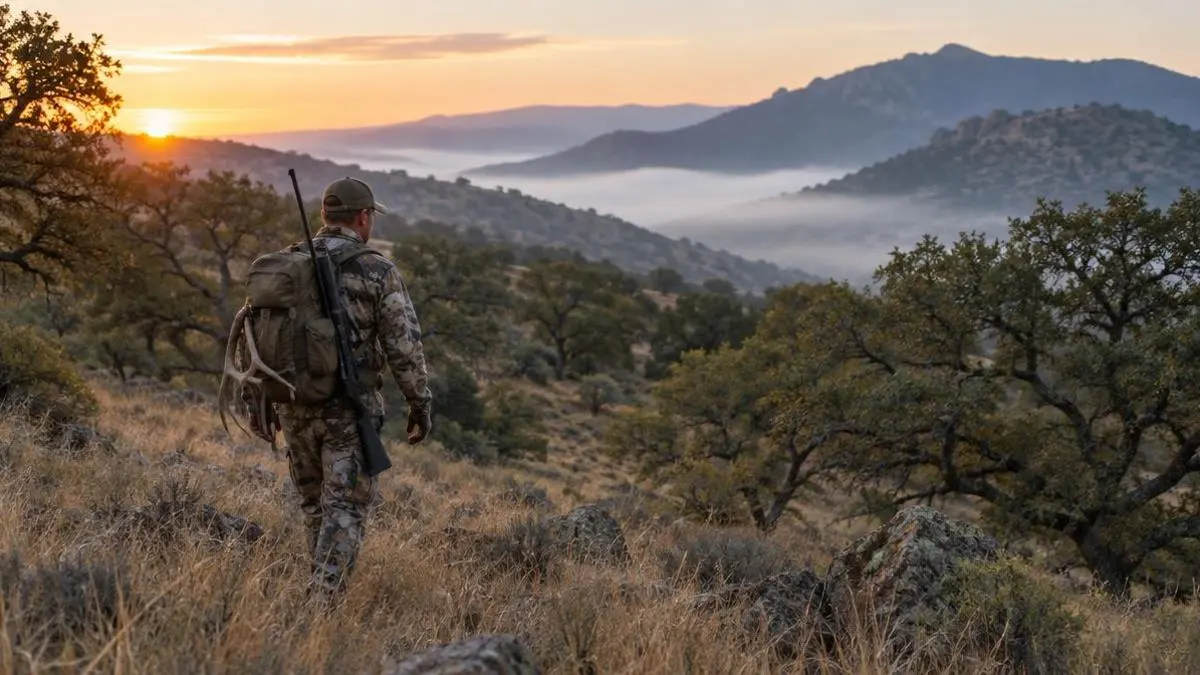
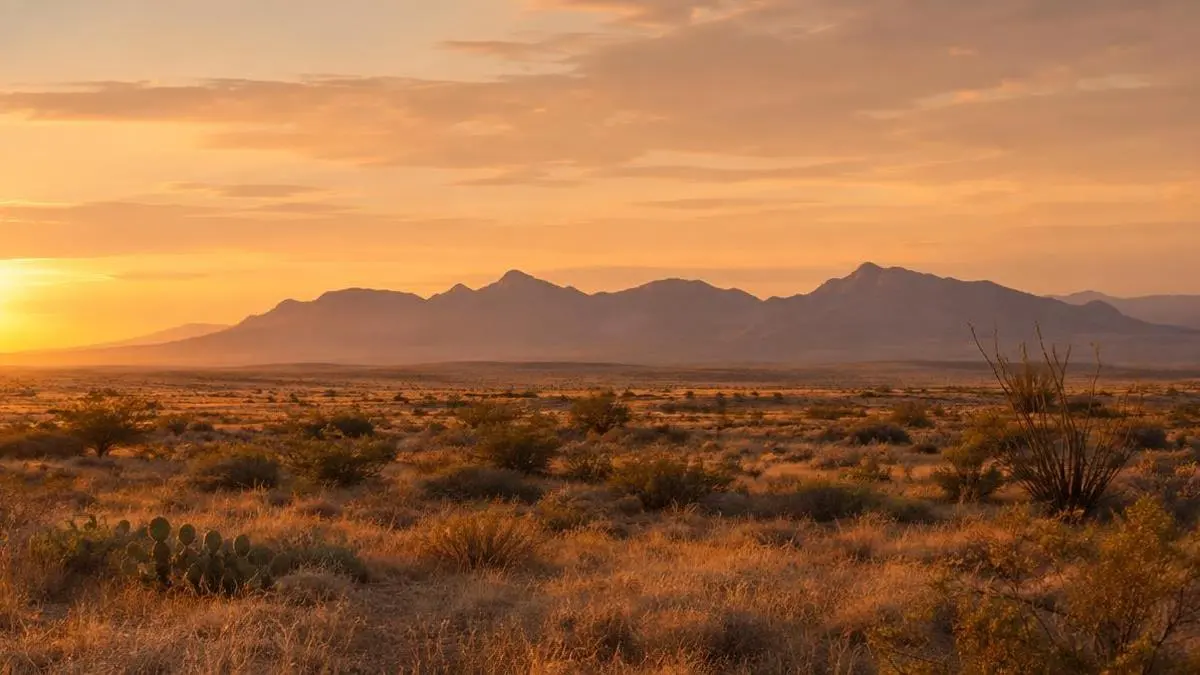
Cochise County is a place of contrasts. A short drive can move from the streets of Bisbee to open ranch country, dry washes, pine-covered slopes and public land where a visitor may not see another person for hours. That distance shaped the local idea of preparation. People checked the weather, told someone where they were going and carried only what they understood. The lesson was practical rather than dramatic: a good outing begins with a plan, and a safe return is part of the day’s success.
The social side of shooting
The strongest traditions are shared. A range is not only a place to improve a group or sight picture; it is a place where experienced shooters demonstrate patience, answer questions and make room for a beginner. Older members pass on small habits that rarely appear in a manual: keep the bench tidy, announce when the line is cold, carry equipment in a way that respects everyone nearby, and leave the firing point ready for the next person.
Keeping the tradition healthy
Tradition deserves to be examined as well as celebrated. Responsible shooters welcome clear range rules, support youth education that begins with safety, and speak up when careless behavior could harm another person or damage access to public land. They also understand that neighbors who do not shoot still deserve quiet, clean roads and straightforward communication. That balance is what allows a shooting culture to remain part of community life instead of becoming a source of conflict.
Learning from the working landscape
The history of shooting in Cochise County is also a history of reading the land. A rancher learned where a fence line disappeared into mesquite; a miner learned how sound carried between hills; a family heading to a range learned to notice wind, dust and the people sharing the day. Those observations made firearms safer because they made people attentive. Modern equipment can be more precise, but it cannot replace the habit of looking carefully before acting. That is why local instruction often starts with the surroundings, not the trigger.
Stories carried by ordinary objects
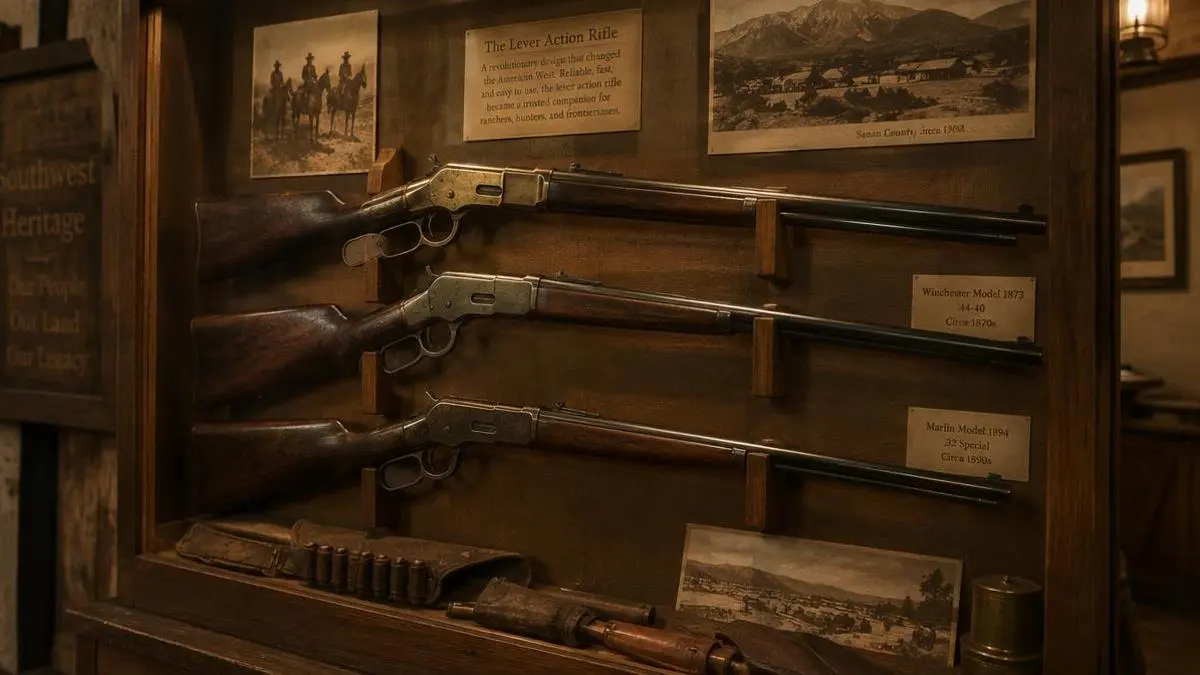
A well-used rifle, a worn holster or a box of handwritten range notes can reveal more than a polished display piece. These objects show how people actually practiced: how they cared for equipment, what they taught their children and which shortcuts they refused to take. Preserving those stories gives younger shooters a richer understanding of responsibility. It also keeps history honest. The Southwest was shaped by work, patience and cooperation as much as by dramatic stories told later.
Passing on the useful parts
Every generation decides what deserves to continue. In a healthy shooting community, the useful parts are easy to recognize: careful storage, honest instruction, respect for property, and the willingness to stop when conditions are wrong. Traditions that make room for beginners tend to last longer than traditions built around status. A patient explanation at the bench can matter as much as a perfect group on the target.
A living local tradition
Cochise County’s shooting culture is not frozen in a museum case. It changes with new ranges, new safety standards, changing land access and a wider mix of people who want to learn. What remains constant is the expectation that ownership carries responsibility. When that expectation is visible in everyday behavior, the tradition feels less like a slogan and more like a neighborly promise.
A note for today
The most useful way to honor local history is to practice its best lessons in the present. Learn from someone patient, read the current range rules and keep a record of what you discover. Invite questions instead of rewarding bravado. In a county with such a strong sense of place, responsibility is a form of stewardship: it protects people, preserves access and gives the next generation a tradition worth inheriting.