Basic Firearm Safety Rules Every New Owner Should Know
A calm, repeatable safety routine gives new owners confidence at home, on the range and anywhere a firearm is handled.
Safety is not a speech you hear once and then graduate from. It is a small set of decisions repeated every time a firearm is moved, stored, cleaned or fired. New owners often worry about memorizing every detail, but the best routine is simple: slow down, verify the condition of the firearm and make sure the people around you understand what is happening.
The four rules that anchor every session
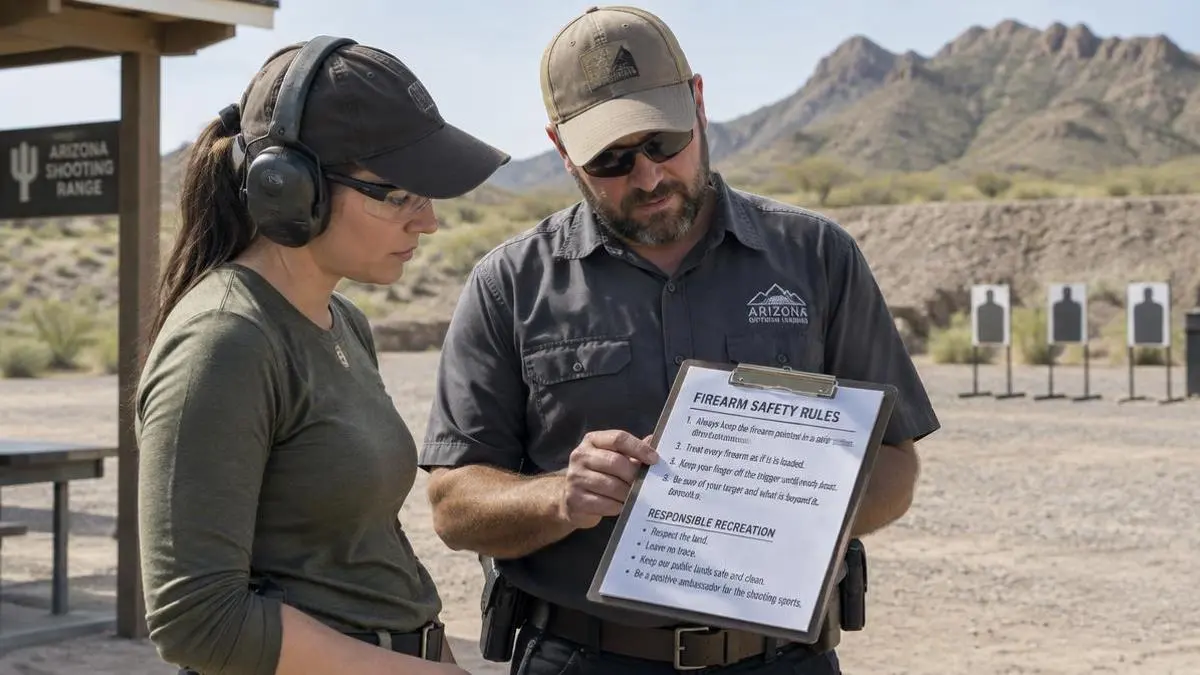
- Treat every firearm as if it were loaded until you personally verify otherwise
- Keep the muzzle pointed in a direction where an unplanned discharge would not hurt anyone
- Keep your finger straight and outside the trigger guard until you are ready to fire
- Be certain of the target, the foreground and what lies beyond it
These rules work together. Checking a chamber does not replace muzzle discipline, and a safe direction does not make it acceptable to place a finger on the trigger while moving. If something distracts you, stop, keep the firearm pointed safely and resolve the distraction before continuing.
Build a routine before you build speed
At home, begin with a clear work surface and no ammunition present when you are learning the controls or cleaning the firearm. At the range, listen to the briefing, keep your case and equipment organized, and ask for help before improvising. A good instructor will rather answer a basic question than correct a preventable mistake.
Storage is part of handling
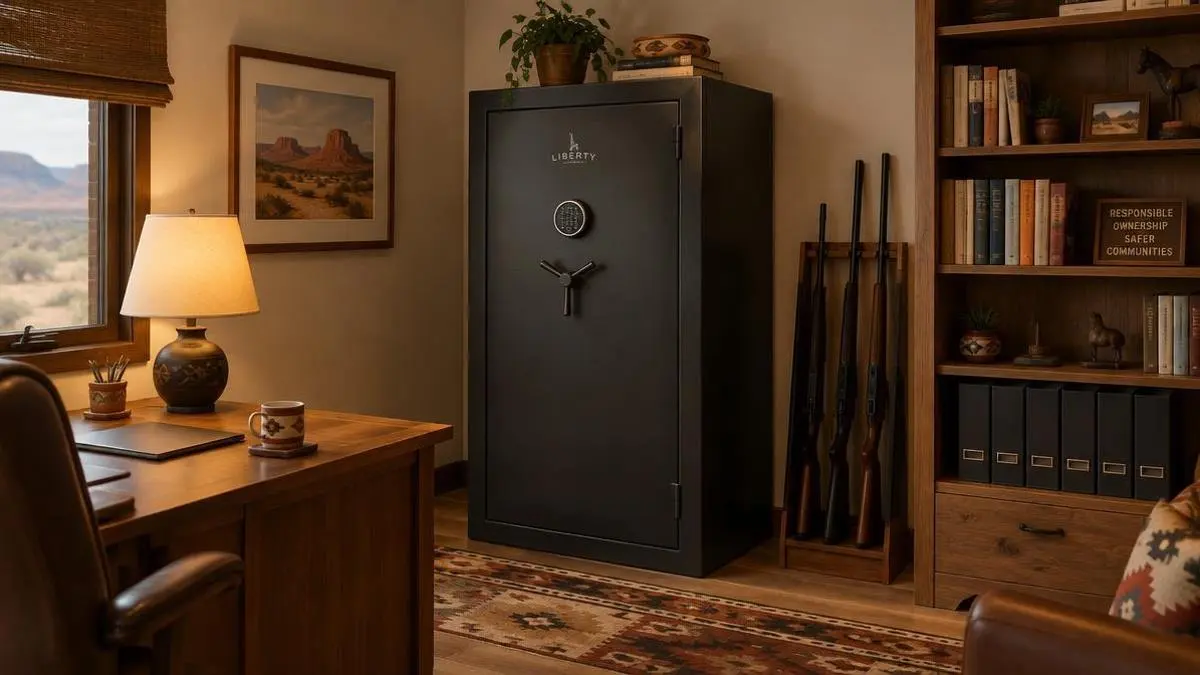
Safe handling continues after the last shot. Store the firearm unloaded in a locked container, keep ammunition secured separately where appropriate, and control access to keys or codes. Revisit the arrangement when children, guests or changing household circumstances create a new risk.
The most important safety rule is the one you follow when nobody is watching.
Make safety a sequence
New owners gain confidence when the same sequence is used every time. Before touching the firearm, clear the work area and identify where the muzzle can safely point. Verify the condition of the chamber and magazine, then keep the action open while you arrange the rest of the equipment. At the range, repeat the same checks after a ceasefire, after a distraction and before packing up. A routine is valuable because it still works on a busy or stressful day.
Communication prevents surprises
Everyone on a range should know what is happening. Use plain words, listen to the range officer and never assume that another person has seen what you have seen. If you are unsure whether the line is safe, keep the firearm pointed safely and ask. At home, adults should agree on one storage rule and one person responsible for access. Children should hear a simple instruction: do not touch, move away and tell an adult.
When to ask for help
A manual, instructor or qualified gunsmith is part of safe ownership, not a sign of failure. Ask before using unfamiliar ammunition, changing a component, diagnosing a malfunction or copying advice from an online video. Stop immediately if the firearm behaves unexpectedly, if a round does not sound normal or if you cannot account for its condition. The safest decision is often the least dramatic one: unload, secure the firearm and get a professional answer.
A safe setup at home
Before a first trip to the range, a new owner can practice the safety routine without ammunition present. Choose a clear work surface, keep the muzzle pointed in a safe direction and learn how the action opens and closes according to the manual. Identify the storage location before the firearm enters the home. This rehearsal removes pressure from the first real outing and makes it easier to notice when something is unfamiliar.
Range etiquette builds confidence
A range is a shared workspace. Keep equipment compact, follow posted commands and wait for a ceasefire before stepping forward. Ask an experienced shooter or range officer where to place a case, how to hang a target and when it is appropriate to handle the firearm. Courtesy is practical: it reduces distractions, prevents misunderstandings and gives a beginner room to concentrate on safe fundamentals rather than on appearing experienced.
A malfunction is a pause, not a challenge
If a firearm does not fire, cycles differently or produces an unfamiliar sound, keep it pointed safely and stop. Do not immediately look into the chamber, keep pulling the trigger or improvise a repair. Notify the range officer and follow the manufacturer’s guidance. Waiting for help protects the shooter and everyone nearby. The goal is not to finish a string of fire; the goal is to make a sound decision.
Build habits that survive stress
The best safety rules are short enough to remember when a day is noisy, cold or rushed. Keep the same order for loading, unloading, transport and storage. Use the same words with every person in the household. Review the routine after a new purchase or a long break. Consistency turns safe handling from a performance into an automatic part of responsible ownership.
The calm standard
Safe ownership is not measured by how quickly a person can load, shoot or disassemble. It is measured by whether the person can pause, verify and ask for help every time the situation changes. That standard is available to beginners and experts alike. A calm routine, practiced without shortcuts, is the most useful piece of equipment a new owner can carry.