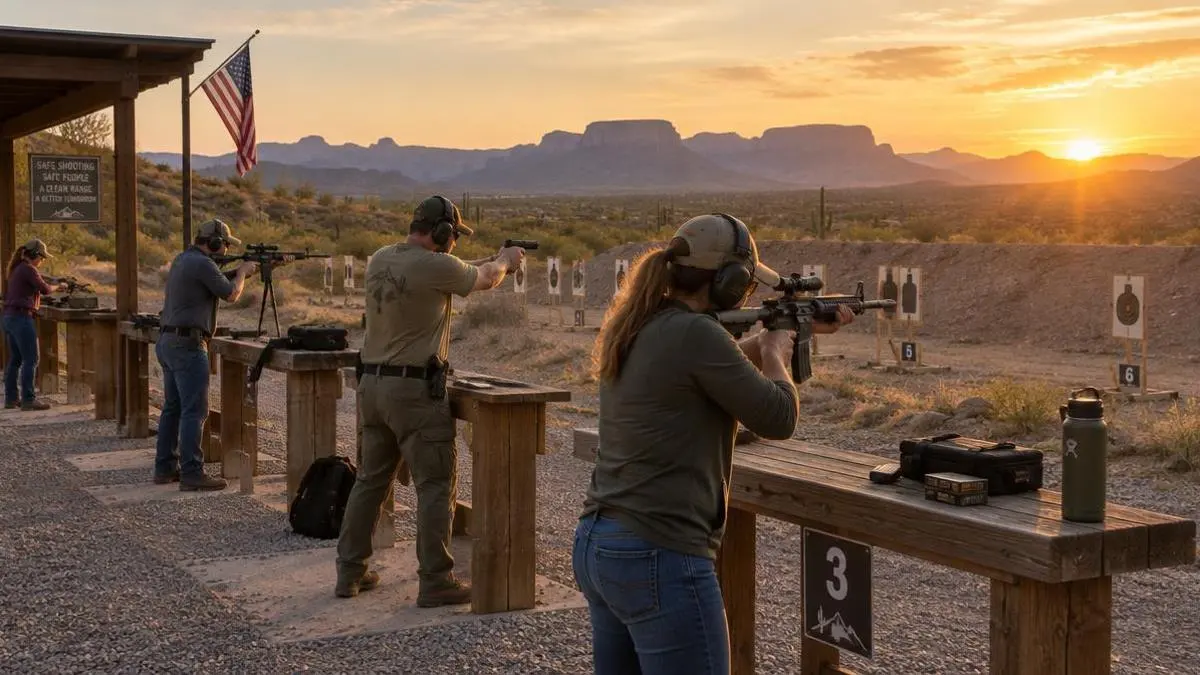
A Shooter’s Guide to Southern Arizona
Mountains, desert and open space make Southern Arizona rewarding to explore, provided every trip starts with a plan and ends with a clean campsite.
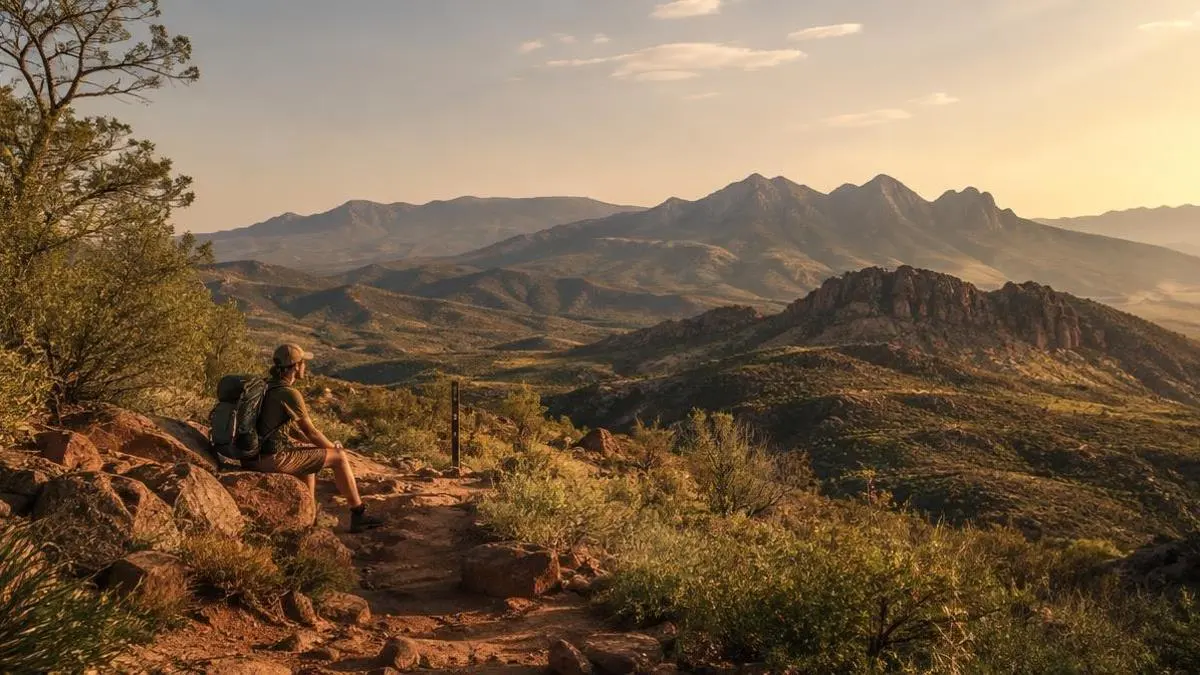
Southern Arizona rewards people who slow down and prepare. Around Bisbee, a familiar road can lead to a high ridge, a dry wash or a stretch of public land where help is far away. A good shooting trip is therefore part range day and part field exercise: know where you are going, know what is permitted and carry enough water and communication to turn around safely.
Choose a legal, suitable place
Start with the land manager or an established range. Confirm access, seasonal fire restrictions and the current rules for targets, ammunition and cleanup. If the terrain does not provide a solid backstop or you cannot confidently identify what lies beyond it, do not shoot there. The view is never worth taking a chance.
- Share your route and expected return time with someone at home
- Carry more water than you think the forecast requires, plus shade and sun protection
- Bring eye and hearing protection, a first-aid kit, a charged phone and a paper map
- Separate ammunition from other gear and keep firearms secured during transport
- Pack out every target, case, piece of brass and scrap of packaging
Read the landscape before setting up
Wind, glare and heat change quickly in the desert. Walk the area first, identify a safe firing direction and look for hikers, livestock, roads and structures. Set up where the group can stay together and where a pause can happen immediately if another person enters the area.
The best outdoor days feel unhurried. Respect private land, protect natural features and leave the place ready for the next visitor. That is how access remains open and the Southern Arizona tradition stays healthy.
Plan the trip before loading the truck
Southern Arizona rewards a slow start. Check the road, weather and land-use rules before leaving, and make sure every person in the group knows the destination and the return plan. Bring more water than you expect to need, a basic first-aid kit and a way to communicate if a vehicle or phone fails. Secure firearms during travel and keep ammunition organized. A little preparation prevents a day outdoors from becoming an avoidable emergency.
Choose a range that fits the goal
Public ranges, private clubs and informal outdoor sites each have different expectations. A formal range is often the best place for a first visit because the layout, backstop and ceasefire procedure are clear. Ask about hours, targets, permitted ammunition and cleanup before setting up. If you use a remote site, be especially careful about the backstop, nearby roads and other visitors. Never let an attractive view substitute for a safe firing area.
Leave the desert better
The best outdoor trip is measured by more than the shots fired. Collect brass, remove paper and reactive targets, and take every piece of packaging home. Keep vehicles on established roads and avoid disturbing plants, nests or livestock. If another group arrives, make space and communicate before moving equipment. Respectful habits protect the desert, reduce complaints and make it easier for future visitors to enjoy the same quiet places.
Pack for the return trip
Outdoor planning should include the part of the day when everyone is tired. Keep water and communication tools accessible, not buried under cases. Secure firearms before driving, check that no loose ammunition is exposed and leave enough daylight for the route home. A simple departure checklist prevents the common mistake of treating the end of the outing as an afterthought.
Make a first visit easy
A new shooter benefits from a quiet, predictable range and a companion who understands the rules. Call ahead, ask about orientation and choose a target distance that leaves time for learning. Bring hearing and eye protection for every person, including observers. A comfortable first visit encourages questions and builds a safer relationship with the equipment.
Outdoor skills belong together
Shooting is only one part of an Arizona outing. Navigation, hydration, heat awareness, wildlife etiquette and vehicle preparation all contribute to a safe day. Treat them as one plan. When the group knows what to do if weather changes or a road closes, attention stays available for the activity itself.
The smallest details protect access
A closed gate, scattered trash or damaged sign can affect how land is managed for everyone. Respect posted boundaries, use established roads and leave targets in approved areas. If a site is already crowded or unsafe, choose another place rather than forcing the plan. Consideration today helps keep responsible outdoor access available tomorrow.
A better day outdoors
The best range trip feels unhurried because the important decisions were made before departure. A route is known, water is available, gear is secured and everyone understands the safety plan. That preparation leaves room for the pleasures of Southern Arizona: open views, patient practice, good company and the satisfaction of leaving a place clean.